
Website Speed Test: How a Slow Site Costs Solar Installers Leads
You are paying to send people to your website. If it takes five seconds to load, most of them leave before they see it.
Nov 19, 2026 / 4 min read / Profitable systems
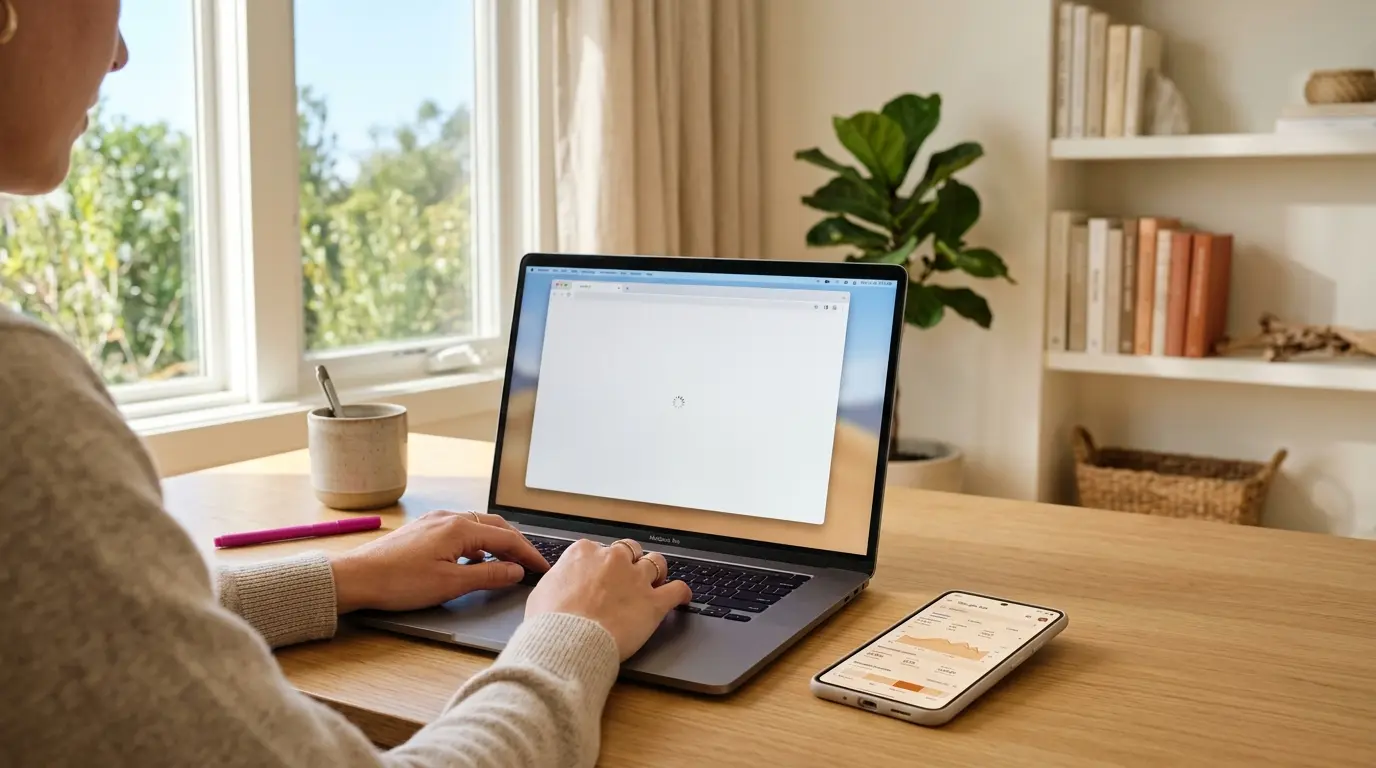
The owner of a solar company looks at his Google Ads bill for the month. It is higher than it has ever been. His cost per lead has climbed steadily for a year.
He calls his ad manager, who checks the numbers. The ads are working fine. Click-through rates are healthy. People are clicking. But when he pulls up the landing page on his phone, it takes six seconds to load. A large image of a rooftop slides in slowly. A chat widget loads on top of it. The form is below the fold.
He has been paying to send hundreds of people to a page that most of them close before it finishes loading. He has been blaming the ads.
Website speed is not a technical detail. It is the first thing a visitor experiences, and for a solar company spending on advertising, it directly affects how much each lead costs.
Here is how to find out if your site is slow, what it is costing you, and what to do about it.
How to test your site speed in thirty seconds
Open your phone. Open your browser. Type your website address. Count. If you are waiting more than three seconds to see useful content, so is everyone you are paying to send there.
For a more detailed look, search for Google PageSpeed Insights. Enter your URL and it will give you a score and a list of what is slowing things down.
Loading interactive demo...
Why slow pages lose solar leads
Solar buyers are cautious. They are comparing several companies. If your page does not load quickly, they do not wait. They press back and click the next result.
Every second of loading time increases the chance someone leaves. By five seconds, the majority of visitors on a phone have already gone.
Related: How to Get ChatGPT to Recommend Your Solar Company in 2027
The hidden cost in your ad spend
If you spend money on Google Ads or social media ads, you are paying for every click. A slow site wastes those clicks.
Imagine you pay for a hundred clicks in a week. If your site loads slowly and forty of those people leave before the page finishes, you paid for forty visits that never happened.
The usual culprits
Most slow solar websites share the same problems.
- Huge, uncompressed photos. That beautiful drone shot of a rooftop install could be ten times smaller without looking any different on screen.
- Too many scripts loading at once. Chat widgets, analytics, social media pixels, review widgets, all fighting for attention.
- Cheap hosting that slows down under traffic.
- A website builder that loads far more code than the page actually needs.
Fixing these does not usually mean rebuilding the site. It means cleaning up what is already there.
Related: AI Search for Solar Installers: A Simple GEO Guide for 2027
What to fix first
Start with images. Compress every photo on your site. Use modern image formats where your site builder supports them. This one change often cuts load time in half.
- 01Compress all images. A tool like TinyPNG or Squoosh does this in minutes.
- 02Remove or delay scripts that are not essential to the first view.
- 03Make sure the quote form or phone number is visible without scrolling.
- 04Ask your hosting provider about faster options if the server itself is slow.
Test on a phone, not your office computer
Most solar website visits happen on a phone, often on a mobile connection. Your office computer on fast Wi-Fi is not what your customers experience.
Test on a real phone, away from Wi-Fi. If it feels slow to you, it feels slow to them.
Common questions
- How fast should a solar website load?
- Aim for the main content to be visible in under three seconds on a phone. Faster is better. Under two seconds is excellent.
- Will speeding up my site really get more leads?
- If people are clicking your ads and leaving before the page loads, yes. Speed is the simplest fix that affects every visitor at once.
- Should I rebuild my website to make it faster?
- Usually not. Compressing images, removing unnecessary scripts and improving hosting solves most speed problems without starting over.
That solar company owner spent a year blaming his ads. The ads were fine. People were clicking. They just could not get in the door.
Test your website on your phone right now. Count the seconds. If you are paying to send people there, every second of delay is money leaving. Fix the speed, and the leads you are already paying for start arriving.
We do this for local businesses every week. If it would help, we can show you a demo made for your solar company.
Topics
- website speed test
- slow website loses customers
- page speed solar
- website performance
Keep reading
Solar / Oct 25, 2026
Google Business Profile Tips for Solar Installers in 2027
A strong Google listing brings in buyers who are only talking to you. Here is how to set it up.
2 min read

Solar / Oct 27, 2026
Exclusive Solar Leads vs Shared Leads: What Is the Difference in 2027?
The two cost very different amounts for a reason. Here is how to think about them, and about a third kind.
3 min read

Solar / Nov 1, 2026
AI Receptionist for Solar Companies: Be First to Answer in 2027
With solar leads, the first installer to speak to the customer often wins. Here is how to always be first.
3 min read

Solar / Nov 9, 2026
Solar Proposal Software: What a Small Installer Needs in 2027
A fast, clear proposal wins jobs. Here is what the tool behind it should do.
3 min read