
Before and After Photos on Your Landscaping Website: How to Use Them Right
Stock photos push visitors away. Real before and after photos pull them in. Here is how to take them and show them.
Nov 19, 2026 / 5 min read / Profitable systems
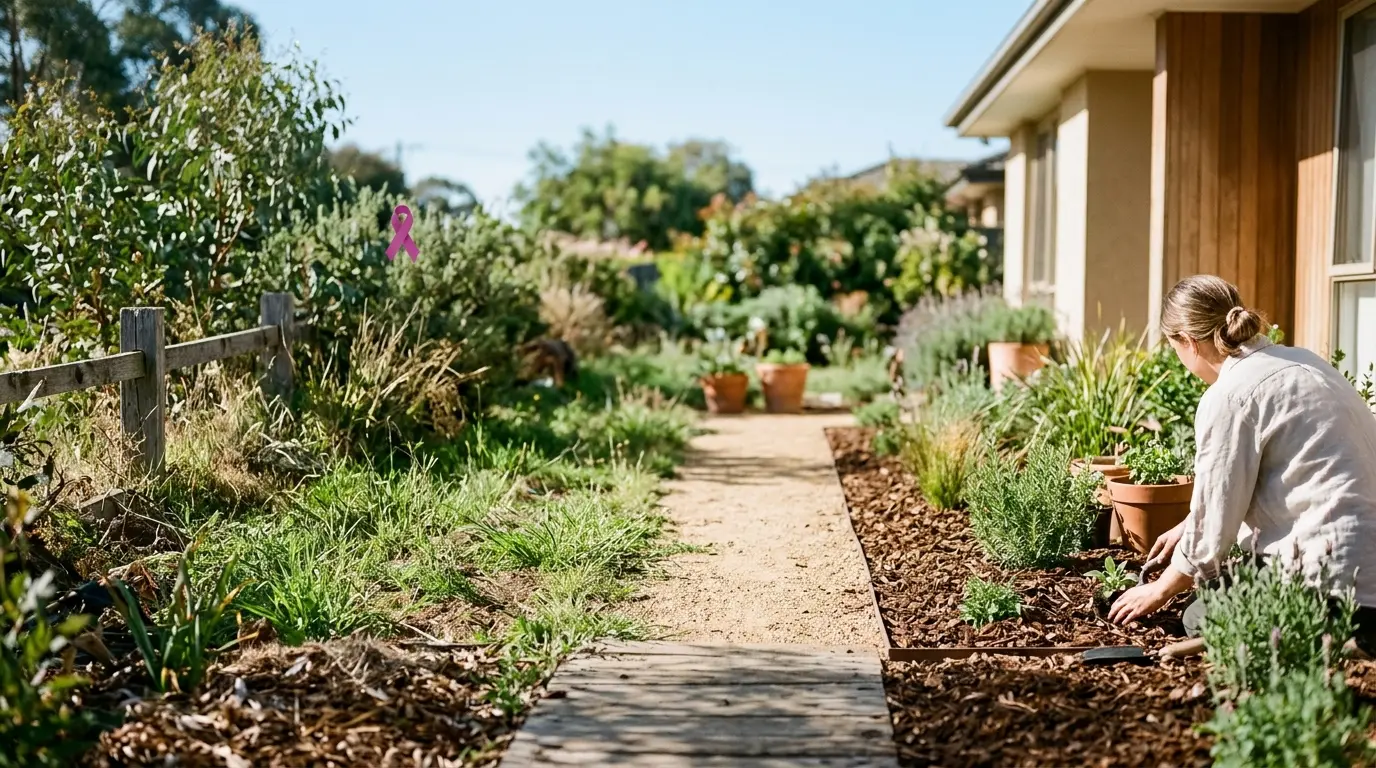
A homeowner named Claire is looking for someone to redo her front yard. She has three browser tabs open, each a different landscaper's website. The first site has a beautiful header image. She looks closer. It is a stock photo. She can tell because the same perfect lawn with the same perfect light showed up on a site last week.
The second site has real photos, but they are all 'after' shots. Nice work, but she has no idea what the yard looked like before. Was it a big transformation or a small tweak?
The third site has a row of side-by-side photos. Overgrown yard on the left, clean, finished yard on the right. Same angle, same house. Claire taps the phone number. She does not open any more tabs.
A landscaper's work is visual. The best way to sell it is to show it. But not all photos work the same. A polished stock image actually hurts trust, because visitors know it is not yours.
Before and after photos are the strongest thing you can put on a landscaping website. They show real work, real transformation, and real skill. Here is how to take them well and display them so they actually convert visitors into leads.
Why before and after beats everything else
An 'after' photo shows a nice yard. A 'before and after' pair shows what you did. The difference is huge.
When a homeowner sees a messy yard that looks like theirs, followed by a beautiful one, they think: that could be my yard. That feeling is what makes them call.
Stock photos, no matter how pretty, cannot do this. They show a yard that does not exist and work that is not yours. Visitors sense it, even if they cannot put it into words.
How to take good before photos
The before photo matters as much as the after. Here is how to get it right every time:
- 01Take it before you unload a single tool. The yard should look exactly as you found it.
- 02Stand at a fixed spot and take note of where you are. You will stand in the same spot for the after photo.
- 03Get the whole area in the frame. A wide shot tells the story better than a close-up.
- 04Include the house or a fence for context. It helps the viewer understand the scale.
Related: Google Business Profile Tips for Landscapers in 2027
How to take good after photos
Stand in the same spot. Same angle, same framing. This is what makes the comparison work. If the angles are different, the transformation is harder to see.
Take the after photo as soon as the job is done, while everything is clean. Morning and late afternoon light is best. Midday sun washes out the colour and flattens the lawn.
How to display them on your website
Side by side is the simplest and most effective layout. Before on the left, after on the right. Label them clearly.
A slider that lets the visitor drag a line across the image is engaging, but side by side works just as well and loads faster. Use whichever you have.
Under each pair, add a short caption: what you did and where. 'Full front yard renovation, Brentwood' is enough. The photo does the talking.
Related: AI Receptionist for Landscapers: Is It Worth It in 2027?
Organise by service and town
As you build up photos, sort them. A visitor looking for patio work wants to see patios, not mowing. A visitor in a specific town wants to see that you work near them.
- Group photos by service: lawn care, patios, planting, clean-ups.
- Tag each with the town or neighbourhood.
- Show the most impressive pairs first.
This also helps with search engines. A page titled 'Paver Patios in Franklin' with real photos from Franklin tells Google exactly what you do and where.
Make it a habit, not a project
The landscapers with the best websites did not do a big photo shoot. They took two photos at every job for a year. That is it.
Make it part of the routine. Before you start: one photo. When you finish: one photo. It takes thirty seconds and builds a library that sells for you all year.
Set a reminder on your phone if you need to. After a week or two it becomes automatic.
What to avoid
- Stock photos. They hurt trust more than no photos at all.
- Photos with messy trucks or equipment in the frame. The focus should be the yard.
- Blurry or dark photos. If a photo is not clear, skip it.
- Before photos taken from a different angle than the after. The comparison falls apart.
- Too many photos with no labels. A gallery of unlabeled images all blurs together.
Common questions
- Do I need a professional photographer?
- No. A phone camera in good light is all you need. The photos should look real, not polished. That is part of what makes them trustworthy.
- Should I ask the homeowner before photographing their yard?
- Yes, always. A quick 'do you mind if I take a photo for our website?' is polite and almost everyone says yes.
- How many before and after pairs should I have on my site?
- Start with five or six strong ones. Add more as you go. Quality matters more than quantity, but a larger portfolio builds more trust.
Claire did not choose the cheapest landscaper. She did not read the longest bio. She chose the one whose photos made her believe her own yard could look like that.
Every job you finish is a story with a beginning and an end. The before photo is the beginning. The after photo is the proof. Together they do more selling than any paragraph on your website ever will.
If you would like to see how this could look for your landscaping business, we build a demo first. You only decide after you have seen it.
Topics
- before and after photos website
- landscaping portfolio
- project photos website
Keep reading
Landscaping / Oct 25, 2026
How to Get More Google Reviews for Your Landscaping Company in 2027
The landscapers with hundreds of reviews are not better than you. They just ask every time.
4 min read
Landscaping / Oct 28, 2026
AI Search for Landscapers: A Simple GEO Guide for 2027
GEO means being the business an AI answer mentions. Here is the short, no-jargon version.
3 min read
Landscaping / Nov 2, 2026
Missed Calls in the Spring Rush: What Landscapers Can Do in 2027
Spring fills your year. It is also when you miss the most calls. Here is how to stop losing them.
3 min read
Landscaping / Nov 9, 2026
How Following Up Wins More Landscaping Quotes in 2027
Many quotes are lost only because nobody asked again. A simple follow-up plan fixes that.
3 min read