
Solar Qualifying Questions: A Simple Phone Script for 2027
Seven questions that tell you if a home is a good fit before you send anyone out.
Nov 7, 2026 / 3 min read / 24/7 receptionist
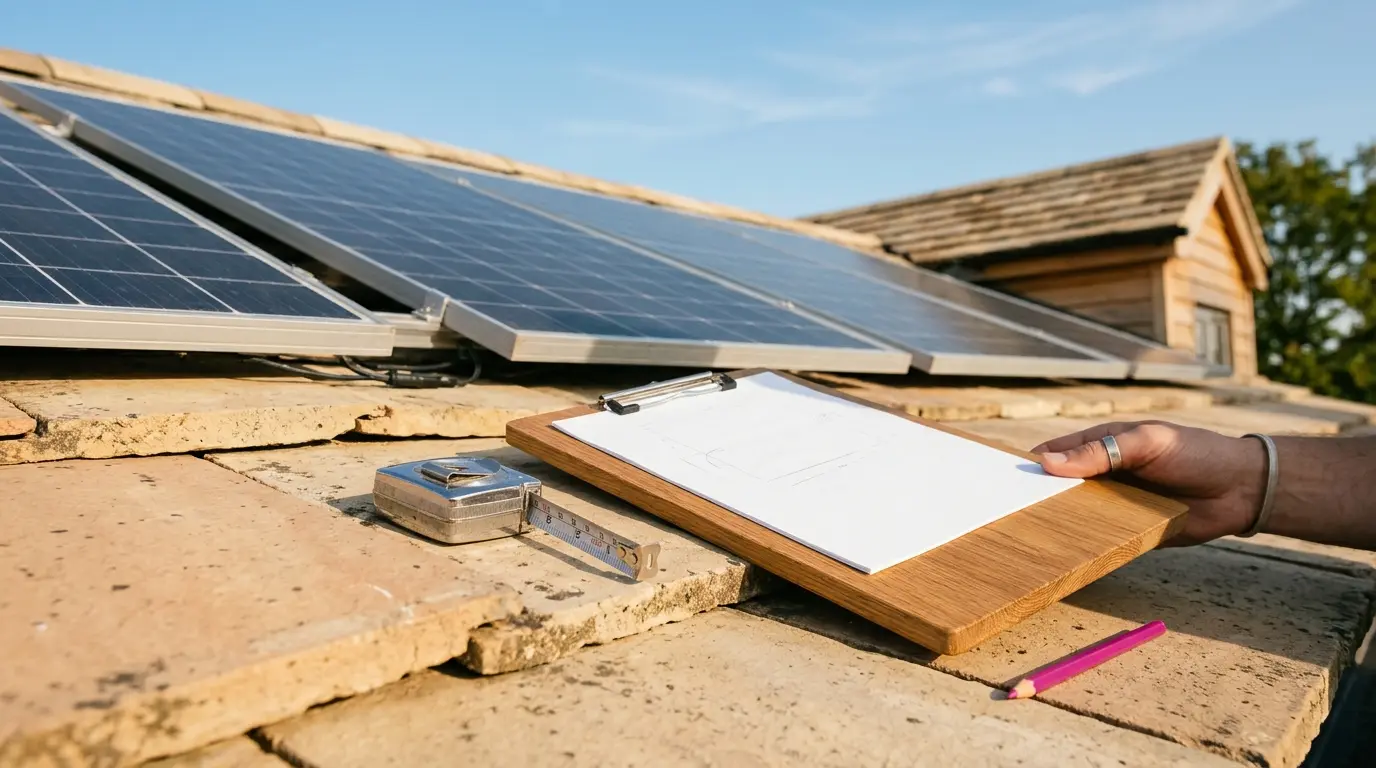
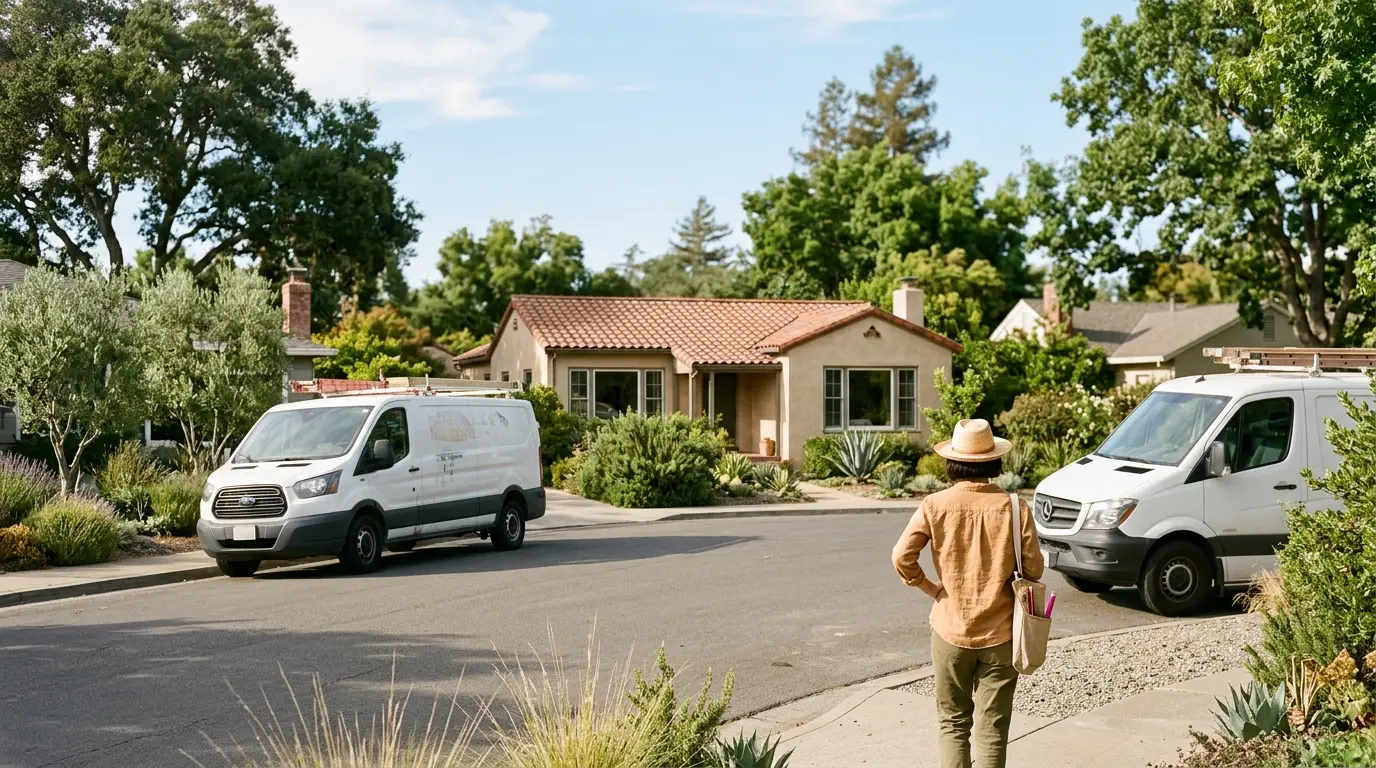
A solar rep drives ninety minutes to a site survey. He has his ladder, his tablet and high hopes. It is his third appointment of the day.
The homeowner is friendly. Ten minutes in, she mentions that she rents. The landlord lives abroad. Then he looks up and sees that the roof faces north and sits under two enormous oak trees.
He is polite, thanks her and drives ninety minutes back. Three hours gone. He does not blame her. Nobody asked.
A site survey is expensive. Fuel, time, and a rep who could have been somewhere else. A short qualifying call protects that investment.
Here are seven questions to ask before you send anyone out, and how to ask them without sounding like an interrogation.
The seven questions
- 01Do you own the home?
- 02What is the address?
- 03What is your average monthly power bill?
- 04What type of roof do you have?
- 05Roughly how old is the roof?
- 06Is there much shade from trees or other buildings?
- 07What made you start looking into solar now?
Why each one matters
Ownership decides whether they can go ahead at all. The address lets you look at the roof on a satellite image before the visit. The bill tells you if solar will save them enough to be worthwhile.
Roof type, age and shade tell you if an install is practical. A roof that needs replacing in two years should be replaced first.
Related: Solar Proposal Software: What a Small Installer Needs in 2027
The most important question is the last one
'What made you start looking into solar now?' tells you what the customer really cares about.
- A high bill: talk about savings.
- A power cut: talk about batteries.
- The environment: talk about clean energy.
- A neighbour got it: talk about local installs.
Your rep can then speak to the thing that matters to them.
Ask it like a conversation
Words you can use
Before we book a visit, can I ask a few quick questions so we do not waste your time? First, do you own the home?
Framing it as saving their time makes people happy to answer.
Be honest early
If the home is not a good fit, say so on the call.
Words you can use
From what you have described, with that much shade, solar may not give you a good return. I would rather tell you now than waste a visit.
Common questions
- Will qualifying questions put people off?
- Not if you explain that you are saving their time. Most homeowners prefer a short honest call to a wasted visit and a sales pitch.
- What if someone rents their home?
- They usually cannot install solar without the owner's agreement. Explain that kindly, and suggest they pass your details to their landlord.
Three hours and a hundred and eighty miles, for a rented house under two oak trees. One two-minute phone call would have saved it.
Seven solar qualifying questions on every call. Your reps arrive at homes that can actually go solar, already knowing what the customer cares about. And the people who are not a fit hear it kindly, from someone who was honest with them.
If you would like to see how this could look for your solar company, we build a demo first. You only decide after you have seen it.
Topics
- solar qualifying questions
- solar sales script
- solar phone script
- qualified solar leads
- solar appointment setting
Keep reading
Solar / Nov 12, 2026
How to Track Solar Installs From Survey to Switch-On in 2027
A solar job has many steps. One board that shows them all stops jobs getting stuck.
3 min read

Solar / Nov 14, 2026
Solar Follow-Up: Staying in Touch Through a Long Sale in 2027
Solar buyers take weeks to decide. A simple follow-up plan keeps you in mind without nagging.
3 min read
Solar / Oct 20, 2026
Solar Company Website Tips That Get More Quote Requests in 2027
Solar buyers research for weeks. Here is how your site can keep them until they are ready.
3 min read
Solar / Oct 28, 2026
Exclusive Solar Leads vs Shared Leads: What Is the Difference in 2027?
The two cost very different amounts for a reason. Here is how to think about them, and about a third kind.
3 min read